
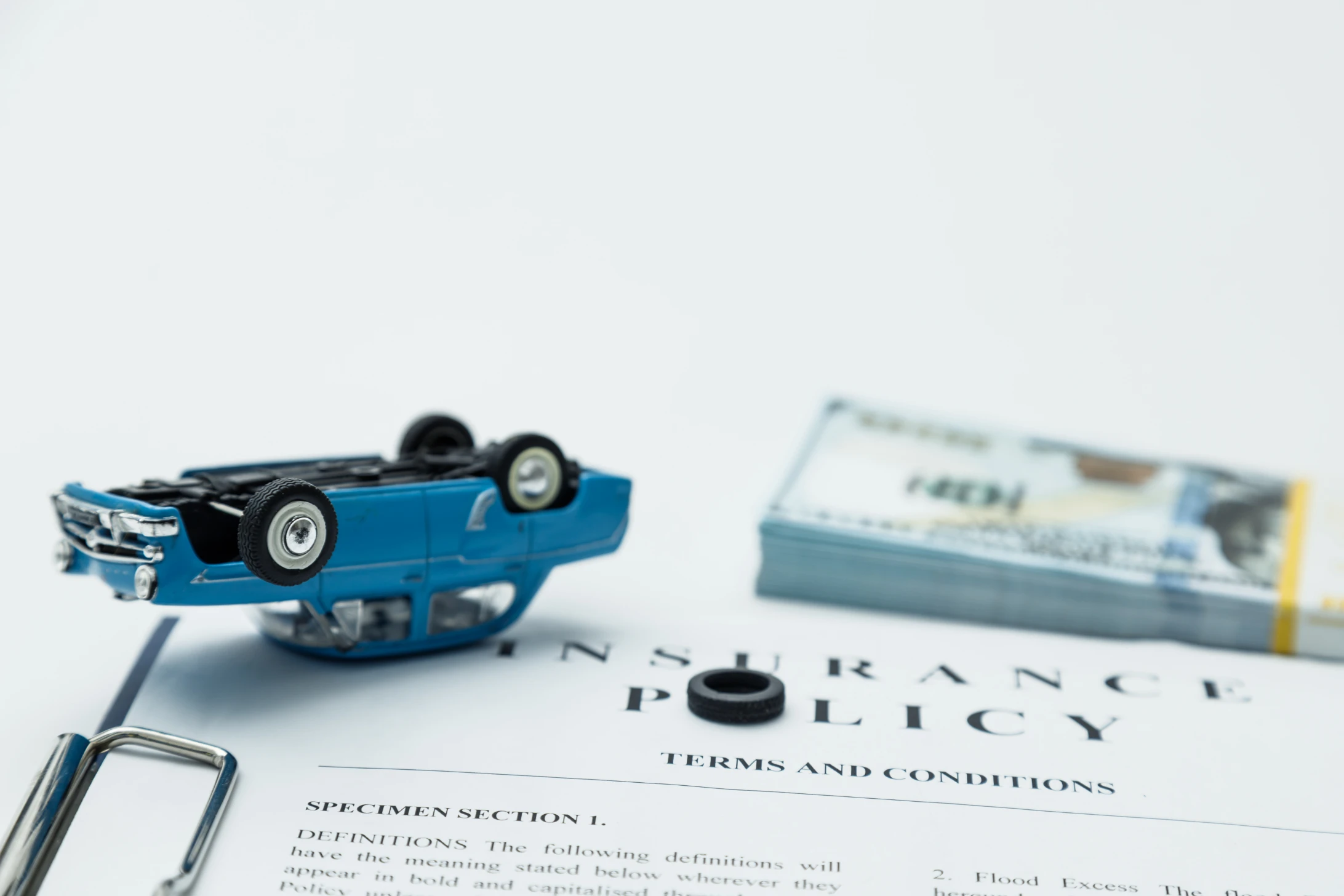
If you own a car in Texas, it is important to renew your insurance periodically to avoid fines and legal problems. But how often should you do it? In this article, we'll explain everything you need to know about renewing your auto insurance policy in Texas.
Policy Duration Determines Renewal Frequency
The first thing to understand is that the length of an auto insurance policy can vary. The two most common policy terms are:
-
6-Month Policy
The most common policy term in Texas. Your insurer reviews your rate at each renewal, which means your premium can change every six months based on your driving record, claims history, and market conditions.
-
12-Month Policy
Some insurers offer annual policies that lock in your rate for a full year, providing more premium stability. You'll still receive a renewal notice before the policy expires and can make changes at that time.
Simply put: you should renew your car insurance every time your policy expires — whether that's every 6 months or every 12 months.
Never Skip Your Insurance Renewal
Missing your renewal deadline — even by one day — means driving without insurance, which is illegal in Texas. The consequences can be serious:
- Fines of up to $350 for a first offense and higher for repeat violations.
- Suspension of your driver's license and vehicle registration.
- Your vehicle may be impounded, and you'll have to pay towing and storage fees to recover it.
- If you're involved in an accident while uninsured, you are personally liable for all damages and medical costs.
Texas law requires a minimum of 30/60/25 liability coverage — $30,000 per person, $60,000 per accident for bodily injury, and $25,000 for property damage. Letting your policy lapse puts you out of compliance and at serious financial risk.
Renewal Is an Opportunity to Reassess Your Coverage
Your renewal date is one of the best moments to take a closer look at your policy and make sure it still fits your life. Here's what to review at each renewal:
-
Update your vehicle information
If you've bought a new car, made modifications, or changed how much you drive, your coverage needs to reflect that. An outdated vehicle description could mean a claim gets denied.
-
Adjust your coverage levels
As your car ages, you may no longer need comprehensive or collision coverage. Alternatively, if your financial situation has changed, you might want to increase your liability limits for better protection.
-
Shop for a better rate
Insurance rates vary significantly between carriers. At each renewal, it's worth comparing quotes from multiple companies to make sure you're not overpaying for the same coverage.
-
Ask about available discounts
Insurers offer discounts for safe driving records, bundling policies, completing defensive driving courses, low annual mileage, and more. Your agent can help identify which ones you qualify for.
Conclusion
To keep your car insured and legal in Texas, renew your policy every time it expires — every 6 months or every 12 months, depending on your plan. Never let your coverage lapse, and use each renewal as a chance to review your needs and find the best rate available.
At Loyal Services LLC, our bilingual agents compare 25+ carriers to find the right auto insurance for your budget and situation. Whether it's your first policy or your annual renewal, we're here to make the process simple and stress-free.
Time to renew? Let us find you a better rate.
Our bilingual agents compare 25+ carriers — free quote, same day, no obligation.