
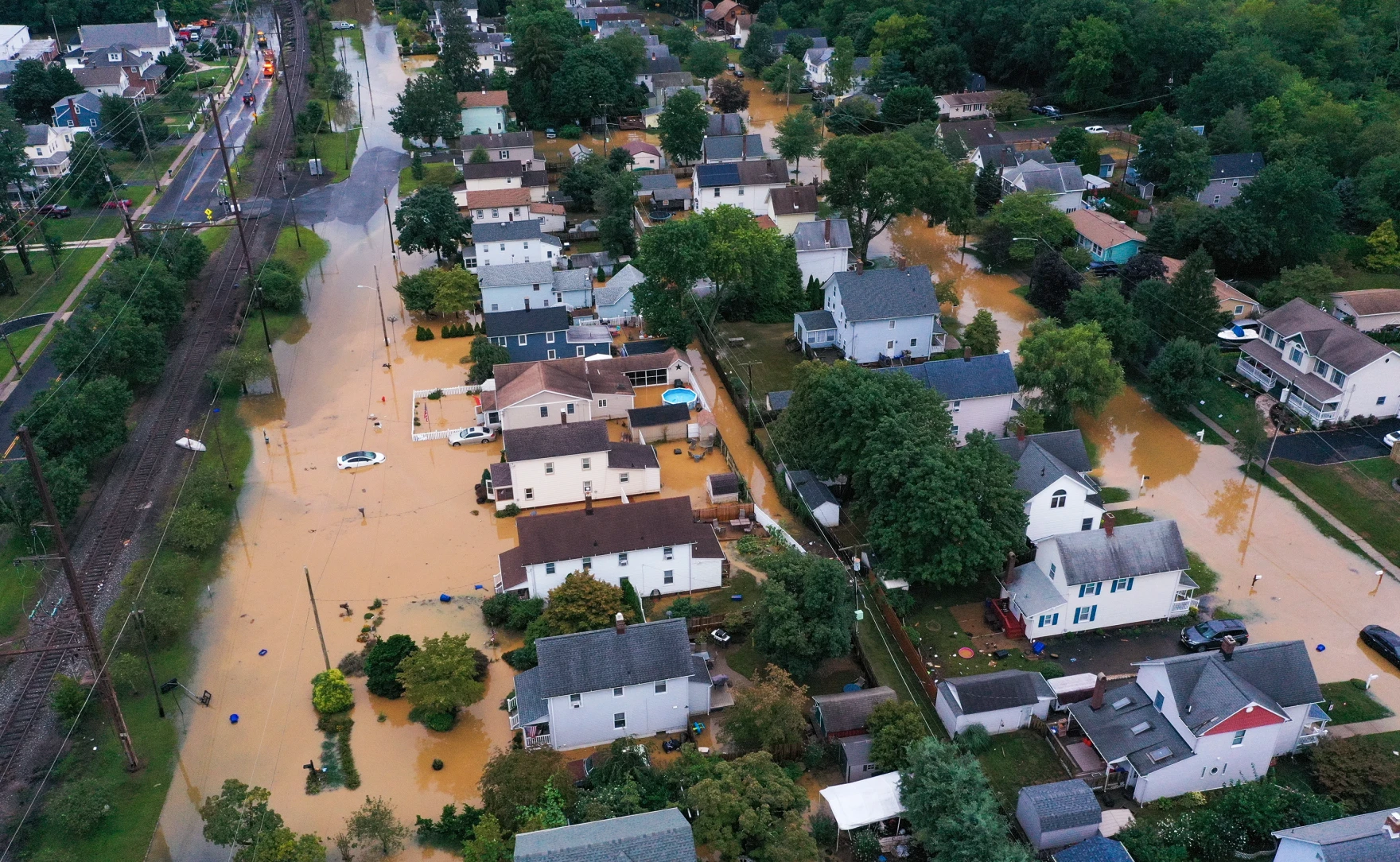
A heavy storm can turn a street in Katy or Houston into a flooded area in just a few hours. If water enters your home and damages the flooring, furniture, or walls, your first question may be: does my homeowners insurance cover flooding?
The answer surprises many Texas homeowners. Although homeowners insurance may cover certain types of accidental water damage, most standard homeowners policies do not cover flood damage. Understanding that difference before an emergency is essential to protecting your home and your finances.
Most important: homeowners insurance and flood insurance are not the same thing. If water accumulates outside your property and flows into your home, you will generally need a separate flood insurance policy for that type of damage.
Does Homeowners Insurance Cover Flood Damage in Texas?
Generally, no. Traditional homeowners insurance typically excludes damage caused by flooding. That includes situations where heavy rainfall causes water to collect in streets, yards, or nearby areas and then flow into a home.
The Texas Department of Insurance explains that homeowners usually need a separate flood policy to protect against these losses. The exact protection available depends on the terms, conditions, and exclusions of the policy you purchase.
Flooding vs. Water Damage: What Is the Difference?
Finding water inside your house does not mean every type of damage is treated the same way. Insurers look at where the water came from, how it entered the property, and what caused the damage.
- Rainwater collecting outside and entering from the street
This is generally considered flooding. A standard homeowners policy typically does not pay for these losses, so separate flood insurance may be needed.
- A broken pipe or washing machine hose
Many homeowners policies cover certain sudden and accidental water damage that originates inside the home, subject to the policy's exclusions, conditions, and deductible.
- A slow leak or lack of maintenance
Ongoing leaks, gradual moisture damage, wear and tear, and maintenance-related problems are often excluded from homeowners insurance.
- Sewer or drain backup
Do not assume this is automatically included. Some policies offer separate water backup coverage. If the backup results from flooding, different policy terms may apply.
For example, a kitchen pipe that bursts and damages the floor may be covered by your homeowners policy. Water that rises outside and enters through your front door will probably require flood insurance instead. In either situation, confirm your policy's terms and exclusions.
What Does Flood Insurance Cover?
Flood insurance is designed to cover certain direct physical losses caused by flooding as defined in the policy. You may be able to purchase coverage through the National Flood Insurance Program (NFIP), administered by FEMA, or compare policies from private insurers when available.
- Building coverage
May protect covered parts of the home's structure, including its walls, foundation, electrical systems, plumbing, water heater, and certain permanently installed equipment and finishes.
- Contents coverage
When purchased, this protection may cover eligible furniture, clothing, electronics, and other personal belongings. Under the NFIP, contents coverage is purchased separately from building coverage.
- Federal program limits
For eligible one- to four-family residential properties, the NFIP offers up to $250,000 in building coverage and up to $100,000 in contents coverage. These are maximum available limits, not automatic claim payments.
- Exclusions worth reviewing
NFIP policies generally do not cover temporary lodging, vehicles, certain outdoor property, or many items in basements. Private policies can have different limits, features, and exclusions.
Before choosing a policy, ask how deductibles work, how damaged belongings are valued, and which exclusions apply. You can also review information about the federal program through the NFIP's official consumer resources.
Do You Need Flood Insurance in Katy or Houston?
The answer depends on your property's exposure and how much financial protection you want. Being outside a high-risk flood zone does not mean a house cannot flood. According to the Texas Department of Insurance, more than half the homes flooded during Hurricane Harvey were outside designated flood zones.
If your property is in a special flood hazard area and your mortgage is subject to federal requirements, your lender will generally require flood insurance. Outside those areas, coverage may not be mandatory, but it can still be a sensible choice.
In Katy, Cypress, Houston, and nearby communities, consider the property's location, known flooding history, ground elevation, and local drainage conditions. Flood maps are useful tools, but they cannot guarantee a property will never experience flooding.
How Much Does Flood Insurance Cost in Texas?
There is no single price that applies to every homeowner. Premiums can vary based on location, building characteristics and elevation, flood exposure, replacement cost, coverage limits, and deductible amounts.
When comparing quotes, look at building coverage and personal belongings coverage separately. A lower-priced policy may have limits that are too low or may leave out items that matter to you. The best comparison considers the actual protection offered, not just the premium.
How Long Does Flood Insurance Take to Become Effective?
Timing can make a major difference. New NFIP flood insurance policies generally have a 30-day waiting period before coverage begins, although certain exceptions apply, including some mortgage-related transactions. Private flood insurers may have different effective-date rules.
Do not wait until a storm is approaching. The day you purchase a policy is not necessarily the day your coverage starts. Confirm the effective date, deductible, and coverage limits in writing before relying on the policy.
How to Review Your Coverage Before a Flood
If you already have homeowners insurance, reviewing it can help you identify gaps in protection before an emergency. These five steps provide a practical starting point.
- 1. Read your homeowners policy
Identify flood exclusions, any water damage that is covered, deductibles, and optional protection for drain or sewer backups.
- 2. Evaluate the risk at your address
Review the flood map for your property and any known flooding history in the area. Remember that maps do not show every possible flood scenario.
- 3. Compare building and contents protection
Check whether a flood policy would also protect your furniture, appliances, and belongings, and whether the limits suit your needs.
- 4. Confirm when coverage begins
Ask whether a waiting period applies, exactly when protection starts, and what happens if a storm occurs before that date.
- 5. Discuss your options with an advisor
Compare policies available for your address and resolve questions about exclusions, deductibles, and limits before purchasing or renewing.
What Should You Do If Your Home Has Already Flooded?
Put safety first. Avoid entering flooded areas when electrical or structural hazards may be present. Once it is safe, photograph and record the damage, save receipts for emergency expenses, and contact your insurer or insurance agent as soon as possible.
Document damaged belongings before disposing of them, and speak with your insurer before making permanent repairs. Claim procedures, deadlines, and documentation requirements depend on the policy and insurance company.
Frequently Asked Questions About Flood Insurance in Texas
Does my homeowners policy cover water that enters from the street? Generally, no. Water that accumulates outside and flows into the home is typically treated as flooding and requires separate flood coverage.
Do I need flood insurance if my home is not in a high-risk flood zone? It may still be worth considering. Living outside a high-risk zone does not eliminate flood exposure. Review local conditions and the options available for your address.
Does flood insurance cover my furniture and electronics? It may, if you purchased contents coverage and the loss meets the policy's requirements. With the NFIP, contents coverage is separate from building coverage.
Can I buy flood insurance today for a storm that is approaching? Do not assume protection will start immediately. NFIP policies usually have a 30-day waiting period, subject to exceptions, and private insurers may apply different rules.
Review Your Coverage With Loyal Services LLC
At Loyal Services LLC, we help families and homeowners in Katy and the greater Houston area better understand their insurance options. Our team can review what your current homeowners policy covers, identify potential gaps, and explain available flood insurance alternatives.
The goal is simple: know what is protected, what is excluded, and which questions to ask before an emergency happens.
Is your home protected against flooding?
Request a policy review with our bilingual team in Katy. We can help you understand your options, coverage limits, and possible gaps.
Note: This guide is for general information only. Coverage limits, conditions, exclusions, and effective dates depend on the policy purchased and the insurer.